Pass With Care Sign (R4-2): What It Means
You've passed one of these small white signs a thousand times and never thought twice about it. Here's the full story — what it's telling you, where engineers put it, and the exact MUTCD rules behind it.
Expert guides on MUTCD standards, sign design, road safety regulations, and best practices for engineers, designers, and traffic professionals.
The Federal Highway Administration's 11th edition introduces sweeping changes to sign dimensions, retroreflectivity requirements, and pedestrian crossing standards. Here's your comprehensive breakdown of what changed and what it means for your projects.
Read Article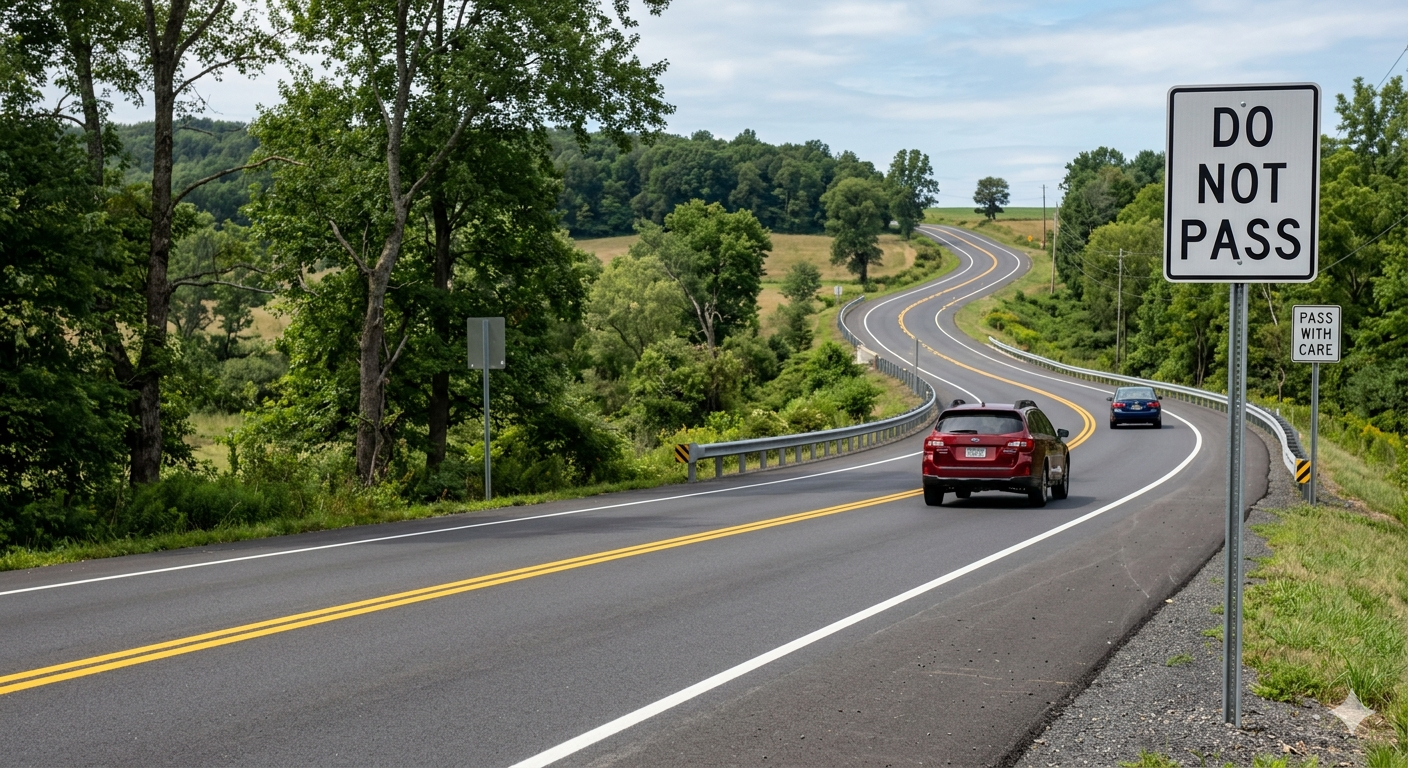
You've passed one of these small white signs a thousand times and never thought twice about it. Here's the full story — what it's telling you, where engineers put it, and the exact MUTCD rules behind it.
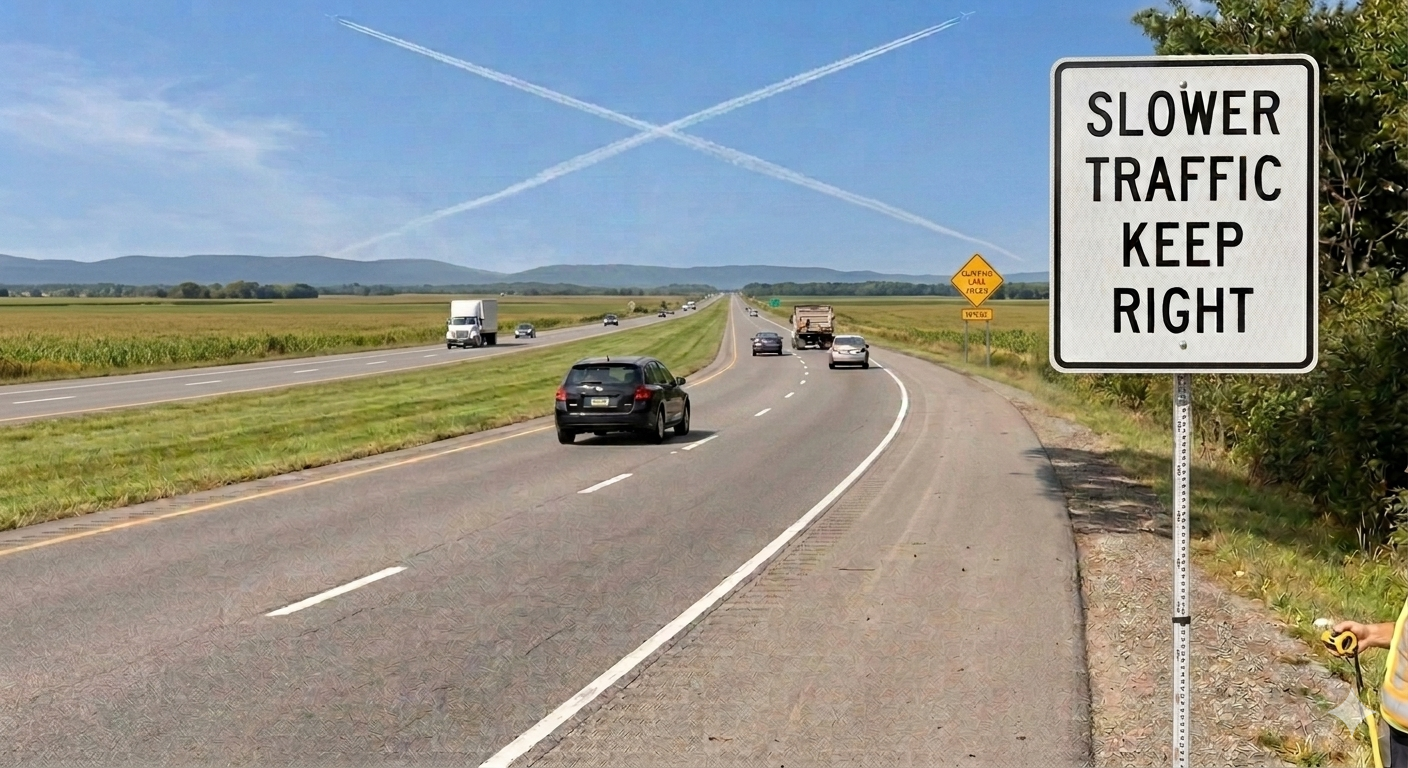
You've seen it on every interstate — that white rectangular sign telling you to move over if you're holding up traffic. Here's the full breakdown: what the R4-3 actually requires,
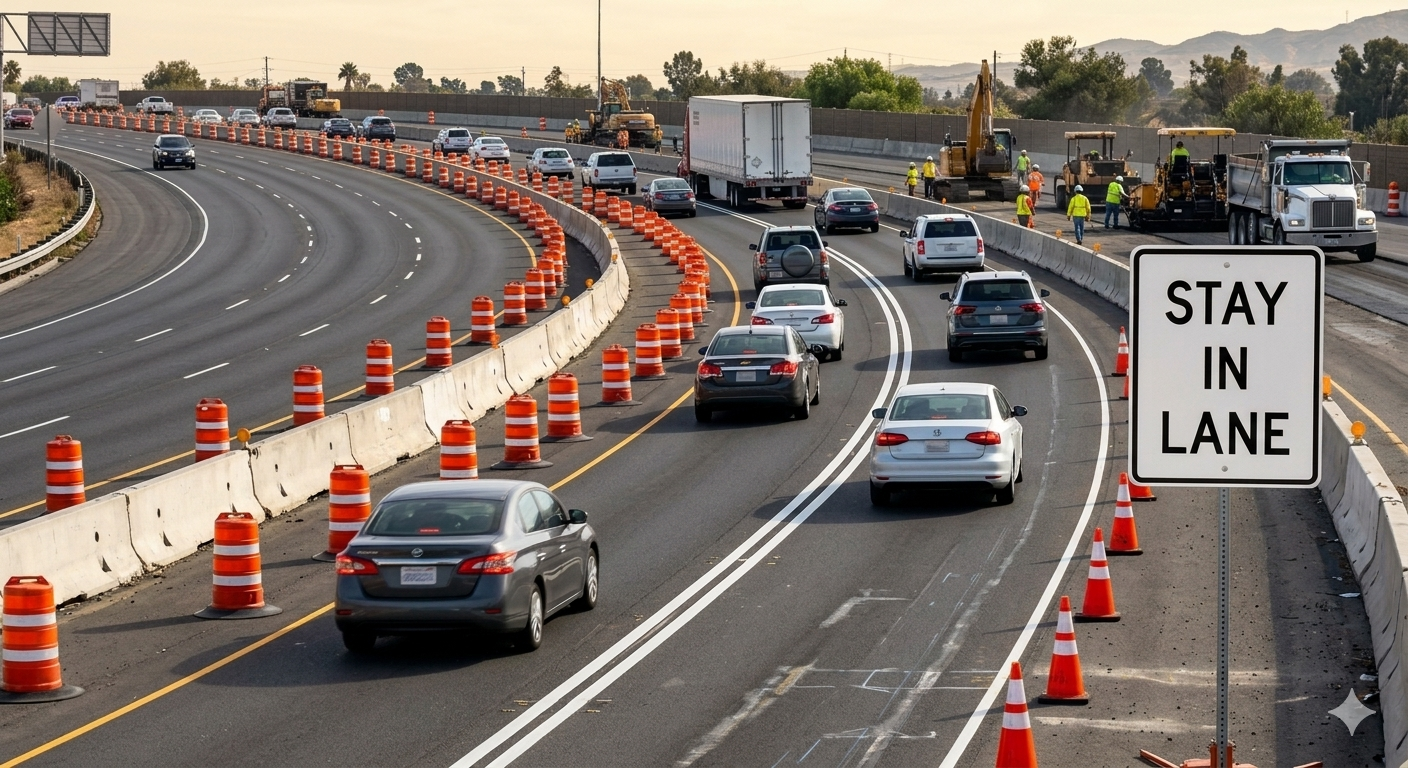
what the R4-9 actually requires, the pavement marking that must accompany it, its size table, retroreflectivity specs, and how its work-zone sibling R4-9a fits in.
From 24×24 residential streets to 36×36 high-speed arterials — a complete guide to selecting the correct stop sign size per MUTCD Section 2B.
The FHWA officially reinstated Highway Gothic (FHWA Series) for new signs in 2016. Here's what that means and when exceptions apply.
Engineers and designers often ask which file format to use. We break down the pros and cons of each format for fabrication, printing, and permitting.
A complete guide to all High Occupancy Vehicle lane signs, their codes, placement rules, and required supplemental panels under MUTCD Chapter 2C.
FHWA mandated minimum retroreflectivity levels for all traffic signs. Are your signs compliant? This guide covers ASTM Type I through XI sheeting.